A kitchen may look straightforward on a floor plan, but every corner, appliance opening, and storage need affects the cabinetry that brings it to life. If you are asking how much are custom cabinets for kitchen remodels, a realistic planning range is often $25,000 to $75,000 or more for the cabinetry portion of a complete kitchen. Smaller projects can fall below that range, while large kitchens with premium finishes, specialty storage, and architectural details can exceed it.
The useful answer is not a single price per cabinet. Custom cabinetry is designed around your room, your routines, and the level of finish you want to live with for years. The best budget starts with an honest look at the scope, then makes room for the details that improve how the kitchen works every day.
How Much Are Custom Cabinets for Kitchen Projects?
For a modest kitchen with a straightforward layout, custom cabinets may begin around $25,000 to $40,000. This could include a carefully planned run of perimeter cabinets, standard painted finishes, quality drawer hardware, and a limited number of specialty pieces.
A mid-range custom kitchen commonly falls between $40,000 and $65,000 for cabinetry. At this level, homeowners often add a larger island, pantry storage, integrated appliance panels, a combination of drawers and pullouts, and more considered interior organization. Material selections, door style, finish quality, and the number of custom details all become more influential.
For expansive kitchens, whole-home millwork projects, or highly detailed designs, cabinetry may be $65,000 to $100,000 and beyond. These projects may include furniture-style islands, tall pantry walls, layered finishes, walnut or white oak interiors, concealed storage, range hoods, glass display cabinets, and custom moldings that carry the design beyond the kitchen itself.
These are planning figures, not a substitute for a detailed proposal. Cabinetry pricing can shift significantly based on the size of the room, the construction requirements, and whether the project involves renovation work or a new build.
What Drives the Cost of Custom Kitchen Cabinets?
Layout and cabinet volume
The number of cabinets matters, but complexity matters more. A simple galley kitchen with standard base and wall cabinets requires less material and labor than a large L-shaped kitchen with an island, pantry wall, beverage station, and multiple appliance surrounds.
Tall cabinets, corner solutions, deep drawers, and cabinets built around structural conditions take more planning and precision. An island can also be a major part of the budget, particularly when it includes seating, storage on both sides, a sink, or a cooktop.
Materials and cabinet construction
Custom cabinetry is built to achieve a specific appearance and performance level. Painted MDF doors can create a crisp, refined finish and are a popular choice for many traditional and contemporary kitchens. Veneers, white oak, walnut, and other natural wood finishes introduce more material cost and require careful selection and finishing to ensure a cohesive result.
The cabinet box material, interior finish, edge treatments, and door construction also play a role. Quality plywood construction, durable finishes, and well-made drawers are investments in longevity, especially in kitchens that serve active families and frequent entertaining.
Doors, finishes, and visual detail
A slab door with a durable painted finish may be more economical than a detailed inset door with custom profiles. Neither choice is automatically better. The right one depends on the architecture of the home, the desired style, and where you want to direct the budget.
Specialty paint colors, custom stains, wire-brushed wood, layered glazing, reeded panels, and matched grain patterns all require additional craftsmanship. Decorative end panels, furniture bases, crown molding, and integrated range hoods can make a kitchen feel complete, but they should be planned from the start rather than treated as last-minute additions.
Hardware and interior organization
Hardware is one of the clearest examples of how custom cabinets can be tailored to daily life. Soft-close hinges and drawer slides are a common expectation in a well-built kitchen, while pullout waste bins, tray dividers, spice pullouts, appliance garages, drawer organizers, and lift-up doors add convenience and cost.
A practical approach is to reserve specialized storage for the areas you use most. Deep drawers for pots, pullouts near the cooking zone, and a well-designed pantry can be more valuable than adding accessories to every cabinet.
Appliances and integrations
Appliance specifications should be confirmed early. A custom cabinet plan can accommodate panel-ready refrigeration, wall ovens, microwave drawers, vent hoods, and coffee stations with a polished, built-in appearance. However, each integration requires exact dimensions, ventilation allowances, and coordinated installation details.
Changing appliances after cabinetry has been designed can affect both schedule and cost. Sharing specifications early helps the designer create a kitchen where the cabinetry and appliances work together rather than compete for space.
Design, Installation, and the Work Beyond the Cabinets
When comparing estimates, ask what is included beyond the cabinet boxes and doors. Design consultation, site measurement, shop drawings, finish samples, delivery, installation, and adjustments are all meaningful parts of a custom project. A lower initial figure may not include the same level of planning, manufacturing, or installation support.
Renovation conditions can also affect the overall kitchen budget. Uneven walls, flooring changes, electrical updates, plumbing relocation, soffit removal, and structural work are not cabinet costs, yet they influence how the cabinetry is designed and installed. For this reason, it is helpful to coordinate cabinetry decisions with the contractor, designer, and other trades before production begins.
At Milestone Millwork & Custom Kitchens, the process begins by understanding the room and the people who use it. An in-house design conversation can clarify priorities early, whether that means maximizing pantry storage, creating a more generous island, or bringing warmth to a contemporary space with custom wood details.
Where to Spend and Where to Simplify
Custom does not mean every surface needs the most expensive option. A thoughtful budget usually focuses on the elements that have the greatest daily impact: a functional layout, durable construction, well-proportioned doors, reliable hardware, and storage that suits the household.
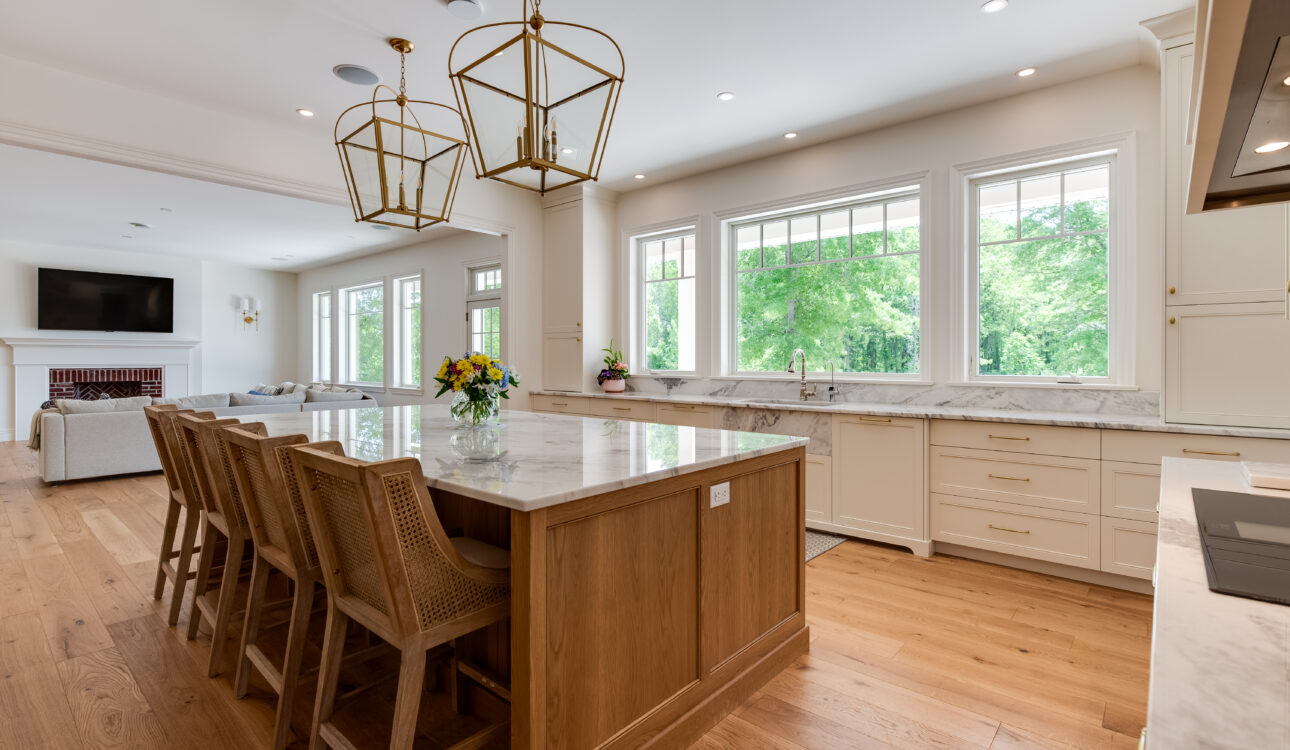
You may choose a painted perimeter with a wood island to create contrast without using premium wood throughout. You might use standard door styles in most areas and reserve glass fronts or decorative panels for a focal point. Keeping the appliance layout in place can also preserve budget, while a new island configuration can still transform the kitchen’s function.
The opposite is true as well. Spending on a striking finish while compromising on storage or circulation can lead to frustration later. Custom cabinetry earns its value when it solves real problems in the room, not simply when it adds more features.
How to Get a More Accurate Cabinetry Budget
Bring as much information as possible to the first consultation: room dimensions, photographs, inspiration images, appliance preferences, and a clear sense of how you use the kitchen. Mention frustrations with the current layout, such as insufficient prep space, cluttered counters, or a lack of accessible pantry storage. These details help turn a broad price range into a design direction.
It also helps to separate the cabinet budget from the complete renovation budget. Countertops, backsplash, lighting, flooring, appliances, demolition, and trade work can be substantial expenses. Seeing each category clearly allows you to make choices with confidence instead of reducing the cabinetry scope late in the process.
A custom kitchen is most successful when its price reflects a clear purpose. Start with the way you want the space to feel and function, then let an experienced design and manufacturing team shape the cabinetry around that vision – one measured decision at a time.